Wednesday, 7 December 2011

Developing Technolgys in the TV and Film Industries

Television and films are always being improved for viewers. They keep improving with technology and it seems like anything could be possible, first colour then the size of televisions and now 3D which has been dramatically improved since the 90's to now.


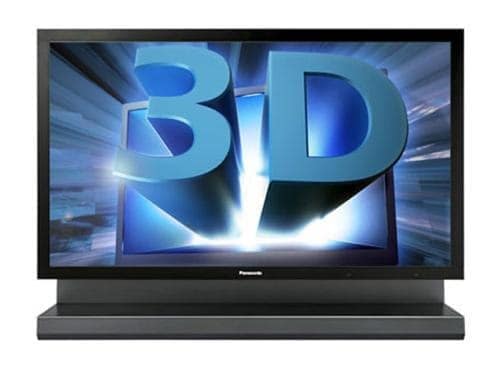
3D Television
It shows that the two images are combined by the brain to produce 3-D depth perception,they make two images and put them very closely together but so both your left and right eye see a different image,then the 3D glasses put them together to make them 3D. It gives you more perspective and depth of the image and its more believable like its coming out at you. Seeing 3D in the cinema is one thing, but being able to view 3D movies, TV programs, and 3D Video/PC games is an attraction for many viewers and users, especially the Sports and Video/PC game experience which is the most effective. 3D if done well, can provide and immerse viewing experience for movies and games. Owning a 3D TV doesn't have that much benefit though because only programmes that are recorded in 3D can be watched in it,or on a certain channel so owning a 3D TV isn't all that amazing unless you like wearing 3D glasses in your living room or are a massive sports fan.


Satellite television
Satellite television is all TV channels delivered by communications satellite and received by an outdoor antenna on your house somewhere, usually refers to as a satellite dish, when used in a household a satellite receiver is in either the form of an external set-top box or a satellite tuner module built into a TV set. Satellite TV is already popular all around North America aswel as around all of Europe. This TV system makes use of satellite dishes to send and receive signals. There are also additional service options available such as having broadband Internet and phone line using the same dish. You can also have interactive TV if the provider has that feature. These are some positives to having a satellite TV also, another advantage of having a satellite dish is the clarity of the signal. Once your satellite dish is correctly lined up with the broadcasting satellite, there will be good reception of the signal it will give you a much better TV viewing experience. Personally i would pick to have satellite TV if i was thinking about the amount of channels on demand that i wanted and the best signal, however if i was thinking about more efficient TV channels all the time even through certain weather conditions i would consider having cable because its underground.
 
Cable television
Cable television is a system of providing television programs to consumers via radio frequency signals transmitted to televisions.
One advantage to having cable TV is the number of channels available, especially with t
digital cable service that is becoming increasingly popular as the number of digital TVs and HDTVs in homes rises. I think having more channels appeals to viewers and buyers more because they feel like there getting better value for what there paying for, even though half time there's nothing to watch. 
Cable TV can be bought with a high-speed Internet and/or home telephone service, creating a savings from subscribing to each service individually, something satellite providers cannot offer. And satellite service usually requires a one- or two-year commitment. This is also an advantage but both cable and satellite have there pros and cons. However if you cant get cable TV in your area then you don't really have a choice.
Interactive television
Its generally known as ITV describes a number of techniques that allow viewers to interact with television content as they view it. Its like the red button that sky have for example which allows people paying to view extra things by using interactive, it can be pressed while watching a programme ,for football they have one if you want to view it from different angles or from one certain players. I think interactive TV is is a good development TV has made because it has more features on there.

High Definition Television
High-definition television (HDTV) is video that has resolution substantially higher than that of traditional television systems sets. So is better than just standard TV and is said to improve viewing. It came out in 1998, sports fans  got pretty excited and for good reason. Ads for the sets said it was a 'television paradise' with digital surround sound. With HDTV, you could also play movies in their original windscreen without the letterbox that some people find annoying. It has lots of advantages so is appealing to allot of people but when just watching TV now there isn't that much of a difference i don't think.
Streaming Media and Internet Television/on-demand viewing
Streaming media is multimedia that is constantly received by and presented to an end-user while being delivered by a streaming provider. Media streaming is a technique for transferring data so that it can be processed as a steady and continuous stream. Its becoming increasingly important with the growth of the Internet because most users do not have fast enough access to download large multimedia files quickly so it appeals to allotof people.
Internet television which is just TV programmes on line for people to watch. They are on demand so really quick if you need to watch something quick and missed it. It should not be confused with Web television, or programs,videos created by a wide variety of companies and individuals. Some Internet television is known as catch-up TV which is when people are behind and missed a programme, on demand is very helpful and helps expand the broadcast it being on the Internet. Internet television has become very popular through services such as BBC iPlayer, 4oD, ITV Player ,also some company's like Virgin and BT Vision show IPlayer which is ITV on demand player also on the Internet.

Digital Recorders
Digital TV recorders are similar to video recorders in that you can record television programmes to watch at a later date.  Some benefits of the new digital TV recorders are you can pause and rewind live TV whenever,also if your going to be out or miss something to can record something and then series link it so you don't forget every time its on. Then you can view all your recording whenever you want and keep them for however long. This can be done with lots of company's now especially sky and sky+.

Pay Per View
Provides a service by which a television audience can purchase events to view via private telecast once they've paid however long the programme or film as been on for. The broadcaster shows the event at the same time to everyone ordering it. This isn't as good as other demand programmes where you can watch them whenever. However if you no when somethings on and you want to watch it live when not everyone else can then its good, if your willing to pay you see what others cant.

CGI - Computer-generated imagery
be defined as the use of computers for creating moving images. Using certain 3D animation software tools to make an image of a character or something that looks very real life like. 3D computer graphics software is used to make computer-generated imagery for movies, also lots of games use this software for example The Sims to create the different characters objects and everything in the game which makes it look so good. Its used now its lots of films and improves them, Disney have been doing it allot with there more recent films, like doing remakes of Cinderella and there classic films and showing the difference it makes. Its used in nearly all animations now to make it look realistic but takes allot of time for each movement.


Thursday, 17 November 2011

Regulatory and professional bodies

British Video Association
The British Video Association is a video home entertainment organisation. It was established in 1980 and it has suggested according to the figures that around six million people in the UK have missed out on the revolution of High Definition.
Film Distributors Association
Its the trade body for theatrical film distributors in the UK - the companies that release films for UK  cinema audiences. Originally established in London in 1915, FDA liaises and works with many individuals, companies and organisations. They consider only matters of generic interest to film distributors. They geared mainly towards the next generation of filmmakers and audiences.
Video Standards Council
Its to oversee and make sure the code of Practice promote has high standers in the video industry, however it was expanded to promote high standers within the video games society too. They put age certificates and symbols on games and films to make sure there appropriate.
Trading Standards Institute
Trading Standards Central has been created and is maintained by the Trading Standards Institute to provide consumer protection information for the UK. Its a professional membership association and it represents trading standards professionals in the UK. Its job is to promote and protect the success of modern economy and to make sure the health and safety and the well being of the citizens is looked after.
Press Complaints Commission
The PCC is increasingly carrying out a large amount of work which helps to protect people's privacy and minimise the risk of media harassment, particularly at times of grief or shock.
Advertising Standards Authority
Advertising plays an essential role in today’s world. It informs, entertains and promotes healthy competition. ASA are to make sure all advertisements are legal, decent, honest and truthful.
The Mobile Entertainment Forum
MEF is the global community for mobile content and commerce it provides competitive advantage to our members in order to build a robust, trusted and secure mobile content.
The Independent Games Developers Association
TIGA is the trade association representing the UK's games industry. TIGA's vision is to make the UK the best place in the world to do games business.
British Academy of Film and Television Arts
BAFTA is a charity with principal objects to promote and advance education through its events and to cultivate and improve public taste in the film, television and games industries.
Commercial Radio Companies Association

The Commercial Radio Companies Association is the trade body
for UK commercial radio.
The International Visual Communication Association
IVCA is the independent not for profit membership organisation representing the creators and commissioners of film, video, digital and live events for the corporate and public sectors.
Worldwide Web Consortium 
The World Wide Web Consortium is an international community where Member organizations, a full-time staff, and the public work together to develop Web standards. Led by Web inventor Tim Berners-Lee and CEO Jeffrey Jaffe, W3C's mission is to lead the Web to its full potential.
British Web Design and Marketing Association
The UK Web Design Association was established in 2001 to encourage and promote industry standards within the British web design and new media sector.
British Interactive Multimedia Association
BIMA exists to do three key things which is to ssupport and promote the British digital industry,
share knowledge and best practice and reward great work and encourage the next generation.

Regulatory Issues
Ownerships regulatory issues are they have to decide how much of the media one person can own, or the entire UK insdusty can own. For example Rupert Murdoch owning part of ITV and half of sky so should he be allowed anymore. Ownership laws often get put into place when people want to own too much. I think its wrong him wanting to own more because if one person made all TV programmes then all shows and opinions would be his and there would be no other views or types of programmes. He will form peoples opinions by putting across his own.

Monopoly regulatory issues when one person owns all of one company. The issues with this are that they will be over powerful and make everything there way. I think this isn't right and that there should be more than one person in charge of the media and what people are being told. When one person is incharge they make the rules and can chooose and stop what everyone sees or hears and knows about.


Issues of consumer choice as the UK has become more diverse. BBC which we all pay for caters our needs.  Why should we have to pay for shows that we don't want to see. If there's of the country that's not getting looked after or catered for why should we pay for them, that's why we have so many different channels so sports for sports fans, Asia radio for Asians, its to meet consumer needs so we want to pay. I think we should get a choice so its good that BBC are more diverse so we get more range of TV.

Access regulatory issues regulating bodies need to make a decision,if
Censorship issues it happens loads now, when you was little and you r mum and dad stopped you from watching something or playing something ,their censoring you from it. I think the media is very persuasive and lead allot of people to believe the same things.
Friday, 4 November 2011

Privacy Law - Example of Privacy Breach

Ashley Cole says kiss and tell stories violated privacy
Court told: 'Ashley Cole has no case for privacy invasion'
Footballer Ashley Cole filed for breach of privacy over stories which claimed he had, had affairs while married to wife Cheryl Cole. Cole said in the writ that some of the information in the stories was false and invented, but said that this legal action would not distinguish between true and false information. This is where he started to lie saying that the truth would come out that he hadn’t done anything and all the girls were lying. Whereas Cole was just getting himself into more lies.
He launched actions against Mirror, publisher, MGN and Sun publisher News Group Newspapers, seeking an estimated £200,000 from each of the stories published in January and February 2011. The claim was made in defense of two actions 27-year-old defender Cole has launched against the Daily Mirror and Sun for alleged invasion of privacy over stories about his sex life that he claimed to be lies.
Cole argued in the writ that he does not hold any public office or carry out any official duties, and information about his sex life "was not capable of contributing to a debate in a democratic society relating to matters of public interest".
I think that it was right to put the stories in the press because there in the spotlight so anything that happens is going to be found out. He paid some of the girls to keep his secret but because the papers offered them more money back anyway so it all came out. He shouldn’t have done it and should have known everyone was going to find out.
If a non famous person had an affair it wouldn’t be published because no one wants to read about it because no one knows them whereas any chance to earn some money with breaching privacy the press will publish a story.
Cole’s counsel, David Sherborne tried to appeal and fight back for him by telling senior High Court official Deputy Master Bard the articles contained, “private information which represents an unjustified intrusion into his private life concerning alleged sexual relationships he had with three women”.
The outcome of the case was that it wasn’t a breach of privacy because his life is all over everywhere and he’s famous.

Thursday, 3 November 2011

Ethical and Legal Constraints within the Media Sector

Ethical:
social issues and sensitivities, eg representation of gender, representation of religious beliefs, linguistic usages, accessibility; professional body codes of practice, eg BBC producers’ guidelines, Worldwide Web Consortium (W3C) accessibility standards


Broadcasting act 1990
The Broadcasting Act 1990 is a law of the British parliament, often regarded by both its supporters and its critics as a quintessential example of Thatcherism. The aim of the Act was to reform the entire structure of British broadcasting British television.
Official secrets aid 1989
The Official Secrets Act is a stock short title used in the United Kingdom, Ireland, India and Malaysia and formerly in New Zealand for legislation that provides for the protection of state secrets and official information, mainly related to national security.

Obscene Publications act 1959
The Obscene Publications Act 1959 is an Act of Parliament of the United Kingdom Parliament that significantly reformed the law related to obscenity.

Films act 1985
Laws concerning film finance and defining British films.
Video Recording act
Laws stating that all videos which are sold or available for rental must be classified by the BBFC.
Race Relations Act
The race relations act 1976 was established by the parliament of the United Kingdom to prevent discrimination on the groups of race. Items that are covered include discrimination on the grounds of race colour, nationality, ethnic and national origins in the fields of employment, the provision of good and education.
Human Rights act
Rights that are believed to belong justifiably to every person
Licensing Act
It’s what companies are allowed to show on TV, it’s what media content can be shown on their premises. Media contents included music performances and TV broadcasts and filming.
Privacy Law
Privacy is the right to be left alone, Privacy laws are considered in the context of an individual’s rights or reasonable expectation of privacy. To ensure that broadcasters avoid any unwarranted infringement of privacy in programmes and in connection with obtaining material included in programmes. Any infringement of privacy in programmes, or in connection with obtaining material included in programmes, must be warranted.

Copyright
Copyright protects written theatrical, musical and artistic works, as well as film, books, sounds, recordings and broadcasts. Copyright is an automatic right that you don’t have to apply for.

Intellectual Property
IP refers to creations of the mind: inventions, literally and artistic works, and symbols, names, images and designs used in commerce. IP results from the expression of an idea. So IP might be a brand, an invention, a design, a song or another intellectual creation. IP can be owned, bought and sold.

Libel Laws
All a form of defamation you can’t say things about people to slag them off something false which is written down or published. Libel is when it’s written down and published by someone like in a newspaper or magazine.

  Codes Of Practice
A code of practice is made up by the editors who work in the industry.
Its a set of written rules which explains how people working in a particular professon should behave.  This means  you have to be polite and not rude to the custmors ,wear the correct dress code and do your job right when working with newspaper and magazines which are published in the U.K. editor's code of practice:

This is the newspaper and periodical industry’s Code of Practice. It is framed and revised by the Editors’ Code Committee made up of independent editors of national,
All members of the press have a duty to maintain the highest professional standards.
The Code, which includes this preamble and the public interest exceptions below,
sets the benchmark for those ethical standards, protecting both the rights of the
individual and the public's right to know. It is the cornerstone of the system of selfregulation
to which the industry has made a binding commitment.


The BBFC is the British Board Film Classification. They’re in charge of the certificate that’s put on a film or the time a programme comes on TV. They do this so that no unsuitable content is shown to people not of the right age or shown before the watershed on TV. They also have to check adverts before there put on TV and games before there released.  
When they say things should be cut or removed out of films then the producers have to do it otherwise the film won’t be shown.  Just like games they have to be played and watched before they can be sold. Everything has to go past them and be checked.

OFCOM is the Official Office of Communications. If you want to make a complaint about any programme or anything that’s where they should be made to.  Ofcom police the rights codes, anything that been reported on the TV or radio then they have to investigate it. They also proved guidelines to producers on how to cover situation of a sensitive nature.

It is essential that an agreed code be honoured not only to the letter but in the full spirit. It should not be interpreted so narrowly as to compromise its commitment to respect the rights of the individual regional and local newspapers and magazines. The Press Complaints Commission, which hasa majority of lay members, is charged with enforcing the Code, using it to adjudicate complaints. It was ratified by the PCC in September 2009. Clauses marked* are covered by exceptions relating to the public interest.

Media representation
People in the media on TV programmes aand cartoons are very stereotyped. For exapmle gays in certain programmes are very feminine, giddy and all have boyfriends. Also it cartoons like americans one aalways have the typical family like 'Family Guy' with the sterotypical lazy fat dad with the pretty, thin mum and a few kids. Popular films ranging from Hollywood blockbusters to children's cartoons which are "crude and exaggerated" people say show lots of stereotypes of Muslims.

Wednesday, 12 October 2011

Film Financing

Film finance is an aspect of film production that occurs during the development stage prior to pre-production, and is concerned with determining the potential value of a proposed film. Films can be financed in a number of different ways. Government grants and tax schemes are important for filmmakers to finance their films. Government provide grants or tax subsidises in the hope that the production of a film in a particular area will boost the local economy. Tax schemes are where the producer of the film sells a percentage of the film to the investor so that the investor pays the tax fees, the investor will be one of a wealthy living so will be able to pay the tax fees, basically the investor/s will pay the producer a sum fee to obtain the taxes. Equity finance is different to a tax scheme as equity finance comes with very little risks. Its basically giving rich people a share in a product you want to earn money on. However if your film doesnt make the money you thought it would then you'll be loosing out on money and intrest and the rich people wont get there share either. Debt finance is completely different, the investor will decide on a vast amount of the content of the film.. for example the investor can decide on the script and the cast. Before the film is even produced, the investor has to pay 20% deposit into the films account. Film financing is a part of film production and is concerned with determining the potential value of a film. It begins with theatrical release then to DVD sales, then to broadcasting on TV including international, then in flight financing,then on demand.
Its a subset of a project finance which means the generated cash flows are to repay investors. Its said to be impossible that to predict with accuracy the revenue of any film will generate.
The main factors of determining the sucess of a film include the public and their' taste, competition from any other films released at the same time,which is just the same as anything like films and msic and programmes ,its up to what the public like and how good it is.
If you had Bruce Willis in a film it could earn millions of dollors for America if the film fits his persona,or it could go the other way and be completly awful and a watse of money. Its about getting everything right wether the companys use the film funding properly.

Friday, 7 October 2011

TV Funding

All channels get paid in different ways to broadcast their shows. BBC TV get their money from everyone’s TV licenses that they pay so they don’t need the money from commercial because they can't have any advertising. They are a public service so you don't have to pay extra for any of there channels so they have more ways to get money like merchandising,competitions and syndication. They make some of there content available on demand through other parties. This is referred to as syndication.
Channels like ITV and Channel 5 have advertising between there programmes so don't have to get paid with peoples license fees. For example, The X Factor is an extremely popular show and gets money by the audience ringing in to vote for the acts they want to stay in the competition, if nobody rang in then they wouldn't really have a show as they reliant on the votes they get. The show also holds competitions every show where they give the audience have a chance to win things, so this obviously draws them in even more which means more and more people will ring in, which means more money for the show. They both also use syndication competition and merchandising so it seems like they would earn more money from there channels. However BBC has allot more being a cross media channel including TV,radio and Internet unlike Channel 5 and ITV. These are both commercial channels.


Channel 4 gets the best of both because its a public service and commercial channel. They get there money and funding from the license fees,syndication,competitions,merchandising and advertising. Some of its funding came from the ITV companies in return for their right to sell advertisements. Nowadays it pays for itself in much the same way as most privately run commercial stations through the sale of on-air advertising, programme sponsorship, and the sale of any programme content and merchandising rights it owns, such as overseas sales and video sales.


Sky and Virgin Channels are subscriber channel. They get there main funding through people subscribing to pay extra to watch their channels, as well as the other public service and commercial channels. They also get their funding through syndication,competitions,merchandising and advertising just like all the others.
Certain programmes on channels makes them more money for example the X-Factor makes millions of pounds through its voting on the acts, because its a popular show therefore advertising revenue can be higher.

Ownership of Time Warner

As a leading media and entertainment company, Time Warner helps tell the world's stories to a global audience. In recent years growth in the media industry has come increasingly from international and U.S based to multicultural markets, the audiences are becoming more diverse in ethnicity and nationality.
Its a multinational company because its a large corporation which has big major media companies in several countries.  They help to bring benefits to developing country's. It has large budgets that's exceed many smaller countries.  The programmes of the popular paid-TV channels are bought from these major media channels HBO, ESPN and National geographic. Time Warner is divided into many business segments in which the major businesses are film productions, television divisions, publishing, telecommunications and the Internet. Jeffrey L. Bewkes is the chairman of the Board and CEO of Time Warner Inc.  Time Warner Global Media Group partners with industry leading marketers to create and show premium content, applications and experiences that builds the brands business growth.

Ownership of the BBC

The (BBC) is a British conglomerate public service broadcaster. It is the largest broadcaster in the world, with about 23,000 staff. The BBC is a corporation, with its activities being overseen by the BBC Trust. They operate many TV stations most popular ones like: BBC 1, BBC 2, BBC 3, CBBC and Cbeebies. They also have an iPlayer to catch up with programmes from their’ channels on demand on TV and internet. Its a cross-media company because it has interests in TV,Radio and Internet.


BBC’s different channels have target audiences for every programme.  CBBC is for primary school children aged 6-12 years, Cbeebies is the BBC's brand for young children. Whereas BBC 1,2,3,4 and there channels are aimed and for mainly adults. They do this to get more viewers off all different ages and higher statistics and money for their company. They use diversification because they spread their investments by selling programmes they have made to other channels.


The BBC is internationally recognised as being a reliable, respected and unbiased on what is going on in the world and in the UK. And here in the UK every morning, Monday through Saturday, some 6,000,000 people tune in to BBC Radio 4′s widely listened to programme for what most believe to be objective news. They don't lead people to believe anything but just telling them what they know.

Wednesday, 21 September 2011

The Guardian Media Group

The Guardian Media Group owned by Scott Trust is a UK Company owning; The Guardian and The Observer.
It was founded by Scott Trust in 1907 as the Manchester Guardian Trust bought it from his cousin Edward Taylor. It then became The Manchester Guardian and then later the Manchester Evening News That company out in 1924 therefore it was Guardian and Manchester Evening news Ltd.

The audience is for people who read or listen to the radio so the audience isn't as big as other global companies. GMG has joint businesses in Radio which are the Smooth, Real and Rock Radio Brands. This is how they diversified and expanded their to reach a larger audience. Also they own Auto Trader magazine and website. The Group uses diversification so they can spread investments and increase the market. It exists to support the core purpose of its owner, the Scott Trust: to secure the financial and editorial independence of the Guardian in perpetuity.
Its a group independents which means it has a range of media and not owned by the government. The Guardian newspaper is ccurrently edited by Alan Rusbridger and is now one of the UK's leading multimedia businesses. With the control of newspapers and radio stations loads of people read and listen to they can influence people and make the unbelievable seem like the truth.

Time Warner

My first comapny is Warner Bros ,as a leading media and entertainment Conglomerate, Time Warner is a comapny that owns large copmpanies in mass media. In recent years the company has grown in the media and has spread across multicultural markets, showing its a multinational company, so the audiences are of more different ethnics and race. This is good and giving them more viewers because they are spreading across i wider audience of people around different coutries.  In the early days, Warner Bros. had a hard time keeping up with older studios like Paramount, MGM and First National. In 1927, they created the first film with music and synchronized sound,The 'Jazz Singer'.  The current Warner Bros. Studio in Burbank, CA was built in 1926 by First National Pictures in 1928 with the money they made form The Jazz Singer. The Warner Bros. company has merged,transformed and changed hands many times over the years, but Warner Bros. Pictures still continues to operate as a part of the Time Warner conglomerate.,as a movie and television production studio.

Warner Bros. stands at the front of the entertainment media industry, with businesses in, TV and film including home entertainement. Because all of the programmes and films are mostly seen in viewers homes Warner Bros. know that they can reach out to viewers knowing that they will influence alot of people. Its a cross-media company working in lots of different parts of the media not just TV.
Time Inc. is the leading part of Time Warner, with 22 magazines and 27 web sites in the U.S, it is the country's largest publisher. Time Inc.'s popular brands extend to online, mobile and tablets, television, video events and branded products.
HBO is another part of Time Warner which have a lot of TV series and films, their’ original productions continue to be recognized and loved.
Time Warner partners with industry leading marketers to build brands and drive business to make them grow. It is a global media group which offers a point of access to Time Warner's wealth of content, media platforms.
I think Time Warner have a global audience so use that to make people believe certain things but also include real life things in there shows and all there content.

Friday, 16 September 2011

Introduction

In this blog i am going to write about the Structure and Ownership of two companies. The companies im going to look at will be Time Warner and Guardian Media Group.